Proper kitchen lighting can transform your cooking space, making it more inviting and functional for daily tasks. Installing new kitchen lights may seem daunting, but with the right guidance, homeowners can achieve professional results.
Table of Contents
- Planning Your Lighting
- Choosing the Right Fittings
- Installation Tips
- Safety First
- Key Takeaways
- FAQ
- Schedule Your Electrical Service Today
Planning Your Lighting
Understanding Your Needs
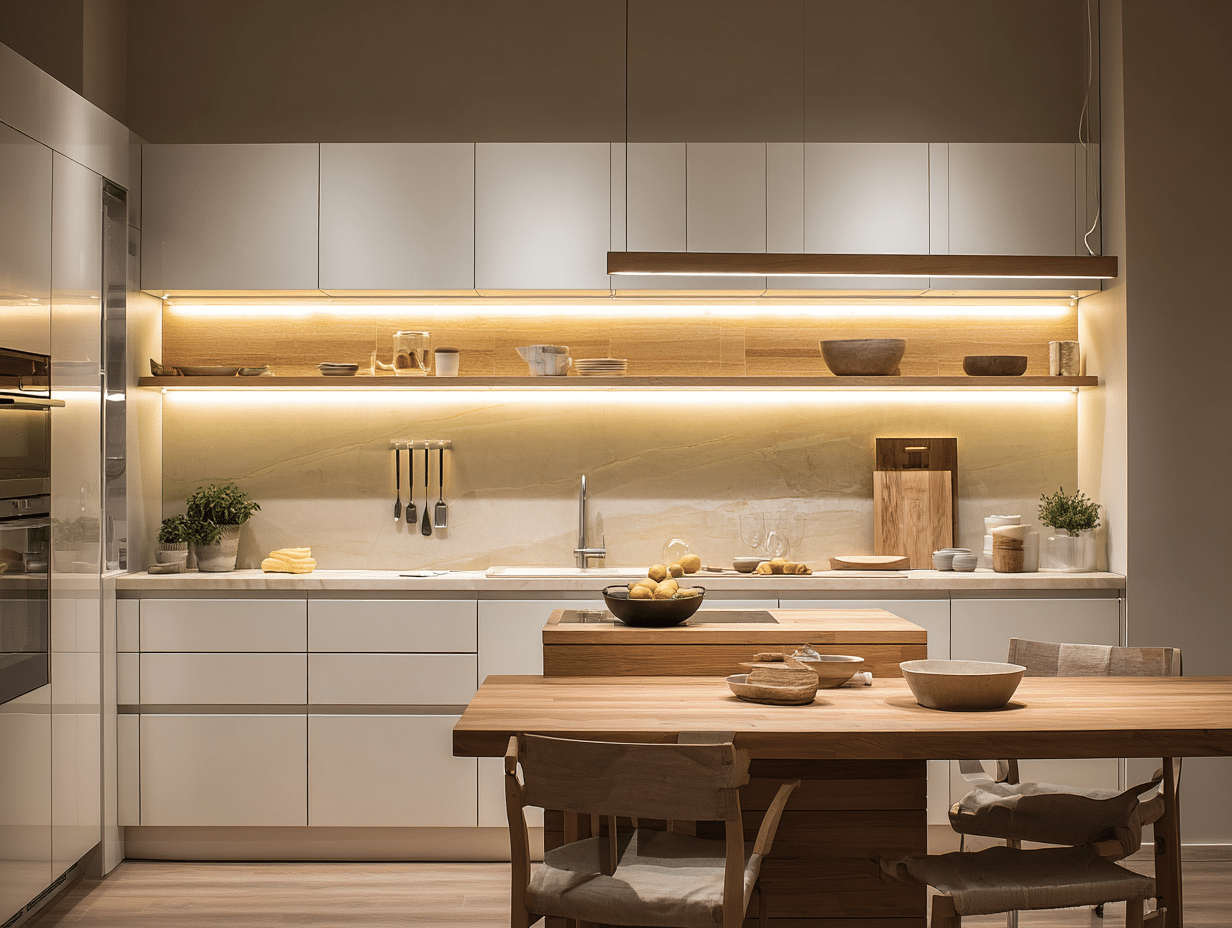
Before installing, consider the type of lighting you need. Good kitchen lighting often requires a blend of ambient, task, and accent lighting.
- Ambient lighting is the general light that fills the room.
- Task lighting is focused light for specific tasks, such as cooking or reading recipes.
- Accent lighting is decorative and highlights features like cabinets or artwork.
Knowing your needs will help you decide how many fixtures to install and where to place them.
Creating a Lighting Layout
Once you know the type of lighting you want, sketch out your kitchen and plan the layout. Consider the following:
- Position lights over work areas, such as countertops and tables.
- Avoid casting shadows in areas where clarity is needed.
- Use dimmers for flexible lighting control.
Having a plan will streamline the installation process and improve functionality.
Choosing the Right Fittings
Selecting Light Fixtures
When it comes to light fixtures, there are several options:
- Ceiling-mounted lights: Ideal for ambient lighting.
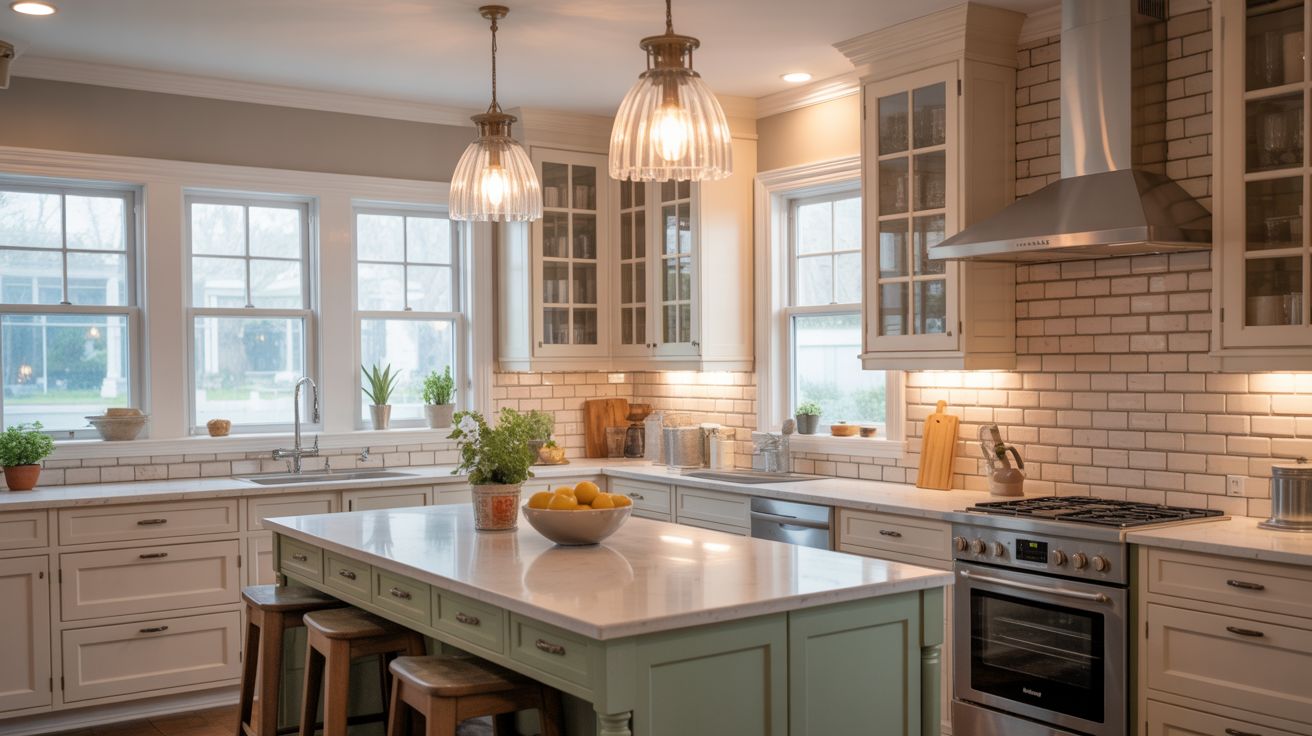
- Under-cabinet lights: Provide focused task lighting.
- Pendant lights: Great for adding style over islands or tables.
Choose fixtures that complement your kitchen’s style while meeting your lighting needs.
Energy Efficiency Matters
Opt for LED bulbs when selecting lighting. They consume less electricity and have a longer lifespan than traditional bulbs. This not only saves money on energy bills but is also better for the environment.
Installation Tips
Gathering Your Tools
To install your lights, you will need:
- Screwdriver
- Wire cutters
- Wire nuts
- Voltage tester
- Ladder (for high fixtures)
- Safety goggles
Having the right tools within reach makes the job easier and safer.
Step-by-Step Installation
- Turn Off the Power: Locate the circuit breaker and switch off power to the kitchen.
- Remove Old Fixtures: Carefully unscrew and disconnect any old light fixtures.
- Install New Fixtures:
– Follow the manufacturer’s instructions.
– Connect the wires (black to black, white to white, ground to ground).
– Secure the fixture to the ceiling or wall. - Restore Power: Turn the circuit breaker back on and test your new lights.
Always check for any flickering or other issues before completing the job.
Safety First
Keeping safety as your top priority is non-negotiable. Here are some essential safety precautions:
- Always turn off the power at the circuit breaker before starting work.
- Use a voltage tester to double-check that wires are not live.
- Ensure your step ladder is stable and on flat ground.
If you feel unsure at any point, it may be a good idea to consult with a professional electrician. Safety should never be compromised.
Know When to Call an Electrician
Even if you’re handy, consider consulting an electrician for complex tasks. They can address issues like:
- Adding new circuits.
- Dealing with outdated wiring.
- Ensuring compliance with local codes.
Hiring a professional can save you time and worry.
Key Takeaways
– Plan your kitchen lighting layout carefully.
– Choose fixtures that are energy-efficient and match your style.
– Always prioritize safety during installation.
– Know when to consult a professional electrician.
FAQ
How long does it take to install kitchen lighting?
Installation time varies, but most tasks can be completed in a few hours, depending on the complexity.
Can I replace kitchen lighting myself?
Yes, but ensure you understand your local codes and safety practices. If in doubt, hire a professional.
What type of lighting is best for cooking?
Task lighting is essential. Under-cabinet lights or pendant lamps can provide focused illumination where needed.
Are LED lights really worth it?
Absolutely! LED lights may have a higher upfront cost, but they save money on energy bills and last much longer than traditional bulbs.
How can I improve my kitchen lighting without major renovations?
You can switch to brighter bulbs, add under-cabinet lighting, or install dimmer switches for more control over brightness.
Schedule Your Electrical Service Today
If you’re ready to enhance your kitchen with new lighting, don’t hesitate to seek professional assistance. A licensed electrician can ensure your installation is safe, effective, and stylish. For inquiries about electrical services, please contact us. Your kitchen deserves the best lighting to make it shine!