Your home’s wiring should be safe, clean, and ready for modern life. If you live in Tampa, you know older homes in places like Seminole Heights, Ybor City, and South Tampa can have aging wires. This guide explains how rewiring works, what to expect with permits and inspections, and how to keep your family safe during updates or renovations.
Table of Contents
- Why Rewiring Matters for Tampa Homes
- Safety Risks in Older Homes Around Tampa Bay
- What Happens During a Rewire
- Permits, Inspections, and Local Codes
- Rewiring for Renovations and Add-Ons
- Costs, Timelines, and Tips to Save
- How Tampa Weather Affects Your Electrical System
- Choosing a Local Electrician You Can Trust
- Summary and Safety Notes
- Rewiring FAQs for Tampa Homeowners
- Get Started in Tampa
Why Rewiring Matters for Tampa Homes
Many Tampa houses were built before today’s power needs. Old wiring may not handle AC units, smart devices, and new appliances. If wires overheat, they can spark or fail.
Safe rewiring brings your home up to current code. It adds grounded outlets, improves safety gear, and makes your lights and devices run better. It also helps your home pass inspections when you sell or remodel.
Safety Risks in Older Homes Around Tampa Bay
Areas like Hyde Park, Palma Ceia, and Seminole Heights have many older homes. Some have knob-and-tube wiring or cloth-sheathed cable. Others have aluminum branch circuits from the 1960s and 1970s. These systems can loosen or overheat.
Outdated panels are common too. Certain old panels in Tampa homes may not trip right. That can lead to fires. Upgrading the panel and adding AFCI and GFCI protection can help keep you safe.
- Fire risk signs: Frequent breaker trips, warm outlets, or burning smells.
- Age flags: Two-prong outlets, fabric or brittle wire jackets, or no grounding.
- Heavy load clues: Dimming lights when AC or microwave starts, buzzing switches.
- Water exposure: Corrosion near coastal areas like Davis Islands or Bayshore.
Good rewiring follows the National Electrical Code to raise safety. It also supports modern protection that meets UL home electrical safety standards.
What Happens During a Rewire
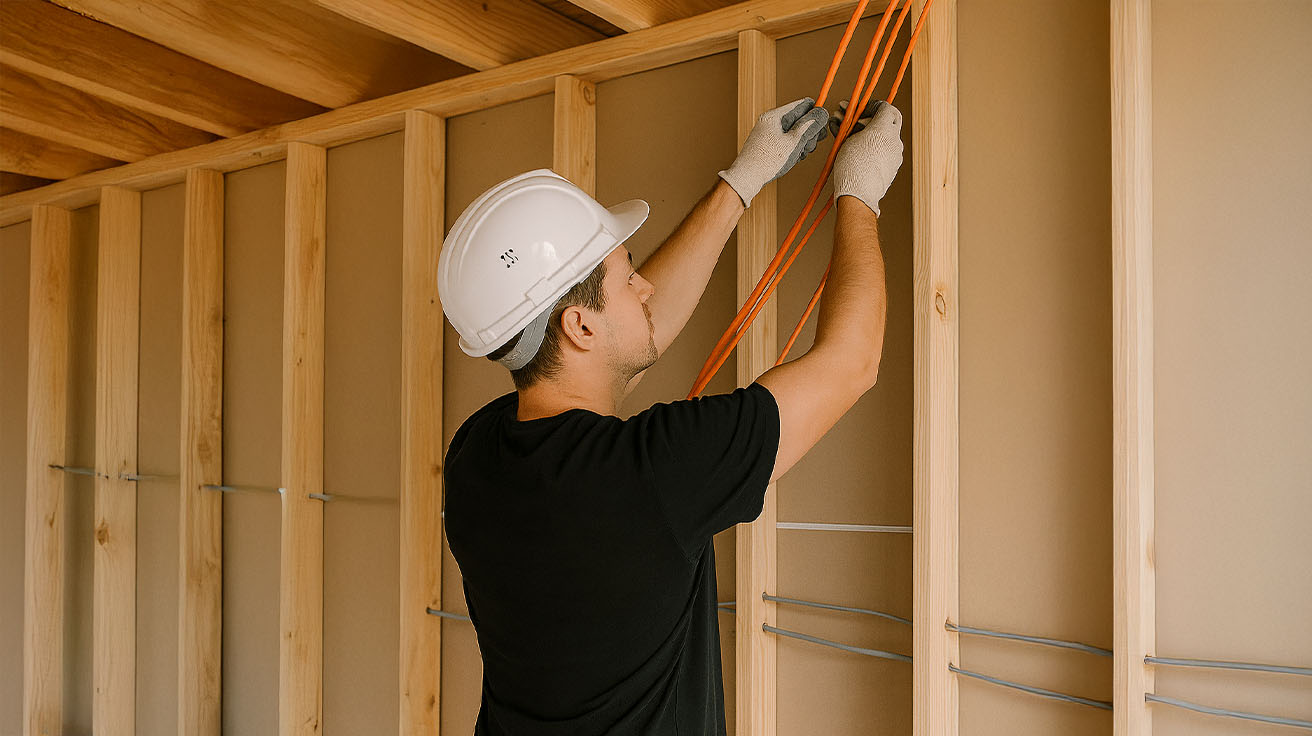
A full rewire replaces old branch circuits, updates some boxes, and adds new devices as needed. You keep power on in parts of the home while crews work section by section. Drywall cuts are small and planned to reduce patch work.
Most jobs include AFCI for bedrooms and living rooms and GFCI for kitchens, baths, garages, and outdoors. New grounded outlets and tamper-resistant receptacles improve safety. If your service or panel is undersized, your electrician may recommend a panel upgrade as part of the plan.
- Planning: Walk-through to map circuits, outlet needs, and panel capacity.
- Rough-in: Pull new copper wire, set new boxes, and label circuits.
- Inspection: Rough inspection before walls close, then final after trim-out.
- Trim-out: Install outlets, switches, fixtures, and test each circuit.
If you are adding outlets, lighting, or data runs, it can be a good time to bundle services. Many Tampa homeowners schedule whole-home wiring during a remodel to save time and drywall work.
Permits, Inspections, and Local Codes
In the City of Tampa, electrical permits are required for rewiring. If you live in unincorporated Hillsborough County, you need county permits. Most jobs include a rough-in and final inspection. Inspectors check wire size, grounding, GFCI/AFCI, box fill, and labeling.
Service upgrades may need Tampa Electric Company (TECO) coordination for meter pull and reconnect. Your electrician will plan the timing so your power downtime is short. If your home is in a historic area like Ybor City, you may also need approval for visible changes.
A pre-project check can catch problems early. If you want peace of mind before work starts, ask for an electrical safety inspection. It helps set a clear scope and budget.
Rewiring for Renovations and Add-Ons
Kitchen and bath remodels in Tampa often need new circuits for appliances, disposals, and vent hoods. Garages and lanais may need GFCI and weather-rated devices. Adding a bedroom or office means extra outlets and AFCI protection.
If you plan to add a heat pump, EV charger, or a second AC, your panel may need more space. Consider an electrical panel upgrade so you have room for future needs. It can prevent tripped breakers and help your system last longer.
- Kitchen needs: Dedicated small appliance circuits, microwave, and dishwasher circuits.
- Bathroom needs: GFCI outlets, exhaust fan wiring, and proper lighting circuits.
- Outdoor needs: Weather-rated outlets and covers, proper GFCI and bonding.
- Home office needs: Extra outlets for gear, surge protection, and data lines.
Costs, Timelines, and Tips to Save
Cost depends on home size, access, and drywall scope. Bungalows in Seminole Heights may be easier to fish than concrete block homes in West Tampa. Two-story homes in Carrollwood or Brandon may take longer due to attic and wall access.
Most full rewires take several days to two weeks. Your electrician can stage work so your family stays comfortable. Plan ahead for drywall and paint after the final inspection.
- Bundle work: Combine rewiring with lighting or low-voltage runs to cut patching.
- Panel planning: Upgrade the panel now if you expect new loads in the next few years.
- Access prep: Clear attics and closets so crews can move faster and avoid extra time.
- Permanent fixes: Replace old aluminum or brittle wire, not just the worst runs.
How Tampa Weather Affects Your Electrical System
Tampa has heat, humidity, and strong storms. Moisture can corrode outdoor boxes and connections. Lightning can cause power surges that damage gear and wiring.
Ask about whole-home surge protection when rewiring. Make sure outdoor GFCI outlets and in-use covers are installed right. Seal penetrations to keep pests and moisture out. This helps protect homes near the bay and in low areas that hold moisture.
Choosing a Local Electrician You Can Trust
Pick a licensed and insured Tampa electrician who pulls permits and stands behind the work. Ask about Tampa and Hillsborough inspection steps. Ask how they protect floors and walls, and how they handle clean-up and patching.
Local experience saves time. A pro who works in South Tampa, Town ’n’ Country, and Riverview will know TECO processes and common home types. They will set clear plans and keep you updated. Good communication makes the job smoother for you.
Summary and Safety Notes
Rewiring makes old homes safer and ready for today. It follows code, adds modern protection, and supports your growing power needs. A clean plan, the right permits, and strong testing mean you can relax when you flip a switch.
Key Takeaways
- Older wiring risks: Watch for warm outlets, tripping breakers, and two-prong plugs.
- Code matters: Rewiring to current NEC improves safety and resale value.
- Local steps: Tampa permits, TECO coordination, and two inspections are common.
- Smart timing: Bundle rewiring with remodels to reduce drywall work.
- Right upgrades: Panel space, AFCI/GFCI, and surge protection help your home last.
Rewiring FAQs for Tampa Homeowners
Many Tampa families share the same questions about rewiring. Here are simple answers to help you plan your project with less stress.
Frequently Asked Questions
How do I know if my Tampa home needs rewiring?
Look for breaker trips, flickering lights, two-prong outlets, or warm faceplates. If your home is older than 40 years, a full check is wise. A licensed electrician can test circuits and look inside boxes.
Will I need to move out during a rewire?
Most families stay in the home. Crews work in zones so parts of the home keep power. Your electrician will tell you if a short outage is needed and when it will happen.
Do I need permits in the City of Tampa?
Yes. Rewiring needs permits and inspections. If you live outside city limits, Hillsborough County handles the permit and inspection instead.
What about my electrical panel and breakers?
If your panel is small or old, you may need an upgrade. This gives space for new circuits and safer breakers. Ask about AFCI and GFCI to protect living areas, baths, kitchens, and outdoor spaces.
Can I rewire during a kitchen or bath remodel?
Yes, that is often the best time. Walls are already open, which saves time and patching. You can add outlets, lighting, and circuits that fit your new layout.
Take the Next Step for Your Home’s Safety
Ready to make your Tampa home safer and easier to live in? Our team can plan your project, pull permits, and handle your final inspection. To get started, contact us for a friendly visit and a clear plan for your rewiring needs.