Proper lighting plays a critical role in both the aesthetics and functionality of any indoor space. Whether you are renovating your home, setting up a new office, or simply looking to enhance your existing setup, understanding indoor lighting installation can transform your environment significantly.
Table of Contents
- Understanding Different Types of Lighting
- Planning Your Lighting Needs
- The Installation Process: Step-by-Step
- Creating Custom Lighting Solutions
- Safety Tips for Electrical Work
- Key Takeaways
- Frequently Asked Questions
- Schedule Your Electrical Service Today
Understanding Different Types of Lighting
Before diving into installation, it’s essential to understand the three primary types of lighting: ambient, task, and accent lighting. Each serves a distinct purpose and can be used creatively to enhance your space.
- Ambient Lighting: This is the primary source of light in a room. It provides general illumination and sets the overall mood.
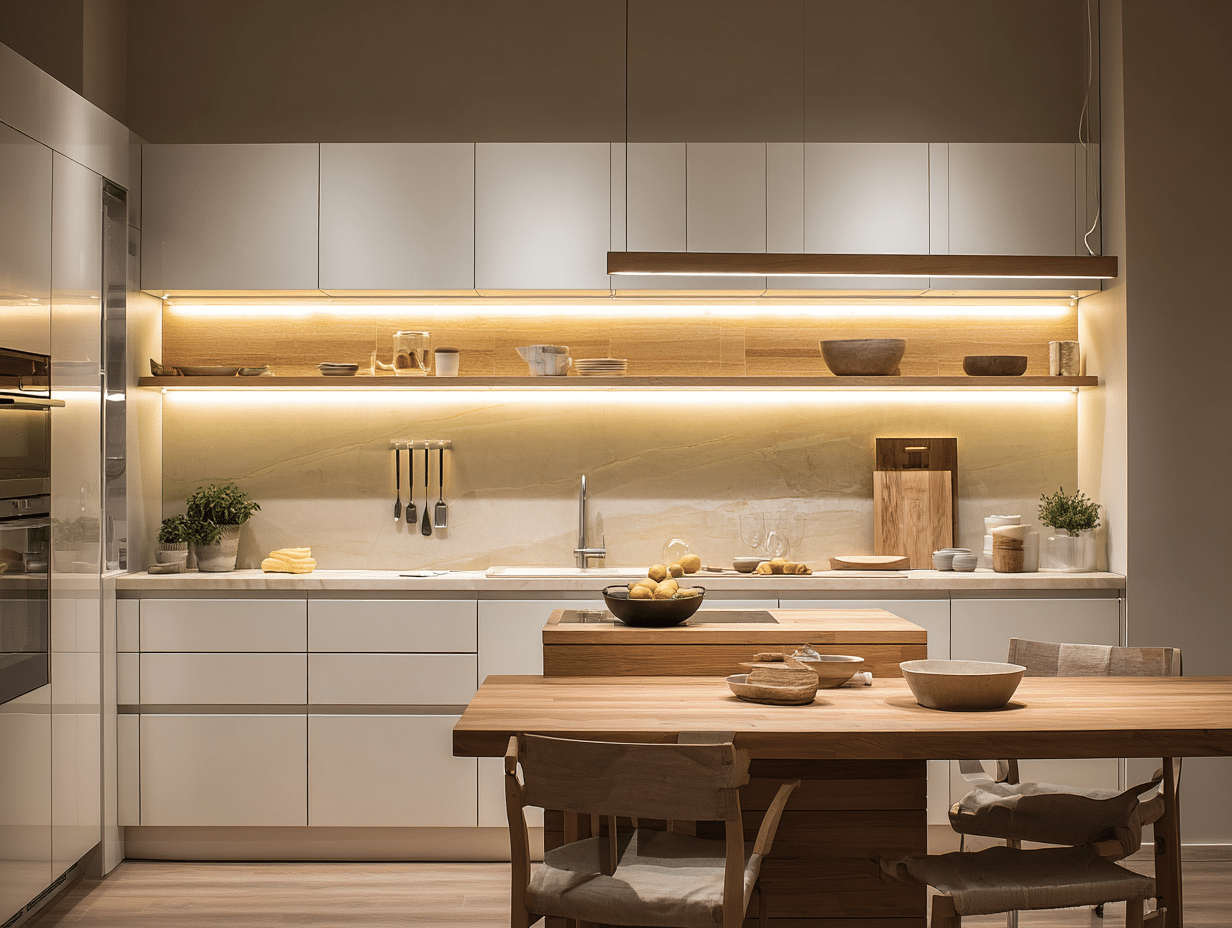
- Task Lighting: Task lights provide sufficient illumination for specific activities, such as reading or cooking. Examples include desk lamps and under-cabinet lights.
- Accent Lighting: Accent lights are used to highlight specific features, such as artwork or architectural details. They add depth and character to a room.
Planning Your Lighting Needs
Planning is crucial when it comes to installing lights. Start by evaluating the space you wish to illuminate. Consider factors such as size, layout, and existing architectural features. Consider how each type of lighting will be utilized in each area.
It’s also wise to create a lighting plan. This plan should include the following:
- Room dimensions and layout
- The function of each area
- Preferred lighting types
- Locations of existing electrical outlets
The Installation Process: Step-by-Step
Once you’ve planned your lighting, it’s time to proceed with the installation. While some homeowners choose to undertake this project themselves, enlisting the help of a qualified electrician will ensure that everything is done safely and correctly.
The installation process generally consists of the following steps:
- Gather Tools and Materials: You’ll need wire strippers, electrical tape, a voltage tester, and, of course, your chosen fixtures.
- Turn Off Power: Always switch off the electricity at the circuit breaker before starting any electrical work.
- Install Ceiling or Wall Fixtures: Follow the manufacturer’s instructions for installing your light fixtures. Use secure fastenings and ensure that wires are correctly connected.
- Test the Lights: Once everything is connected, turn on the electricity and test your installations.
Creating Custom Lighting Solutions
If you want to take your lighting a step further, consider creating custom solutions. Dimmer switches, smart lighting systems, and layers of light can personalize your space.
Some ideas for custom lighting solutions include:
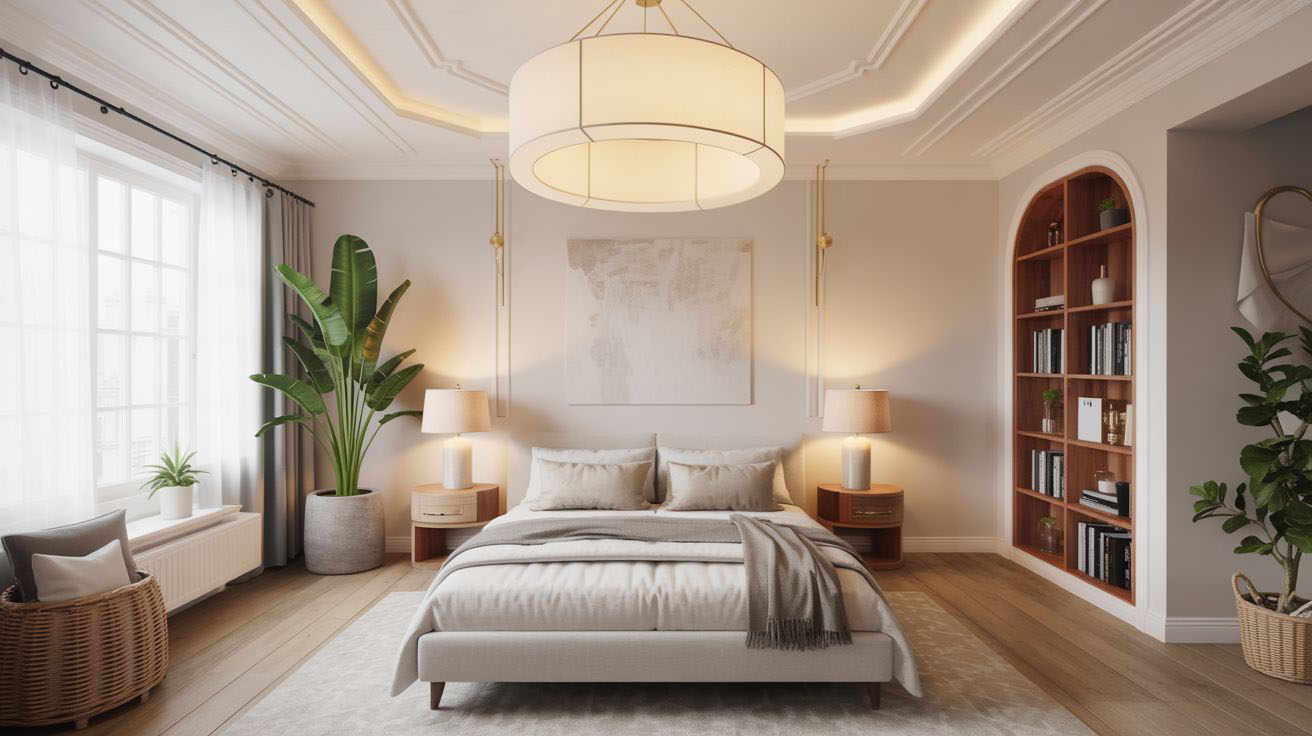
- Installing LED strips in crown moldings for a modern touch
- Using smart bulbs that can be controlled via an app to adjust brightness and color
- Creating a focal point with decorative pendants or chandeliers
Safety Tips for Electrical Work
Safety is paramount when working with electricity. Always keep the following guidelines in mind:
- Use insulated tools to minimize the risk of electric shock.
- Double-check your connections and ensure wires are secure.
- Never overload circuits; distribute loads evenly across multiple outlets.
- If unsure about any aspect of the installation, contact a professional electrician.
Key Takeaways
- Understanding the three main types of lighting is essential for effective planning.
- A well-thought-out lighting plan ensures each space is optimally illuminated.
- Following proper installation steps and safety tips is essential for successful projects.
- Custom solutions can enhance the functionality and appeal of your indoor space.
- Consulting with a professional is a great way to avoid potential issues.
Frequently Asked Questions
What should I consider when choosing lights for a room?
Consider the room’s purpose, the desired mood, and the space’s size. Balance ambient, task, and accent lighting for optimal results.
Can I install lighting fixtures myself?
While some individuals may possess the necessary skills to undertake the task themselves, hiring a qualified electrician is recommended to ensure safety and compliance with electrical codes.
What’s the average cost of indoor lighting installation?
Costs can vary widely based on the types of fixtures and labor involved. Average costs generally range from a few hundred to several thousand dollars, depending on the project size and complexity.
How often should I replace light bulbs?
It depends on the type of bulb. Incandescents typically last about 1,000 hours, while LEDs can last up to 25,000 hours. Regularly check your bulbs for performance and replace as needed.
Schedule Your Electrical Service Today
Your indoor lighting can drastically change the atmosphere of your home or office. Take the first step towards transforming your space by seeking professional help. Whether you’re upgrading existing fixtures or starting a new project, quality electrical services make all the difference. Don’t hesitate to contact us for expert assistance today!