Outdoor security lighting is essential for keeping your home safe and inviting. Proper lighting not only enhances the beauty of your space but also deters intruders and increases your property’s safety. If you’re considering installing outdoor lighting, this ultimate guide will help you understand the process, from choosing the right fixtures to installing them safely.
Table of Contents
- Why Install Security Lighting?
- Types of Outdoor Lighting
- Planning Your Lights
- Installation Process
- Maintenance Tips
- Key Takeaways
- FAQ
- Schedule Your Electrical Service Today
Why Install Security Lighting?
Outdoor security lighting serves multiple purposes. First and foremost, it acts as a deterrent to potential intruders. A well-lit home is less appealing for criminal activity. Additionally, proper lighting enhances visibility, making it easier to navigate your yard during the night. It can also improve your home’s curb appeal, making your outdoor space feel more welcoming.
Security lighting improves your home’s safety by illuminating walkways, driveways, and entry points. This ensures that you and your guests can see clearly, reducing the risk of accidents. Moreover, it adds a layer of comfort, allowing you to enjoy your outdoor space after dark.
Types of Outdoor Lighting
When choosing outdoor security lighting, you have several options:
- Motion Sensor Lights: These lights activate when they detect movement, providing illumination only when it’s necessary.
- Flood Lights: Ideal for large areas, they offer wide coverage and are great for driveways or backyards.
- Path Lights: These are typically low fixtures that line walkways, helping to guide you safely.
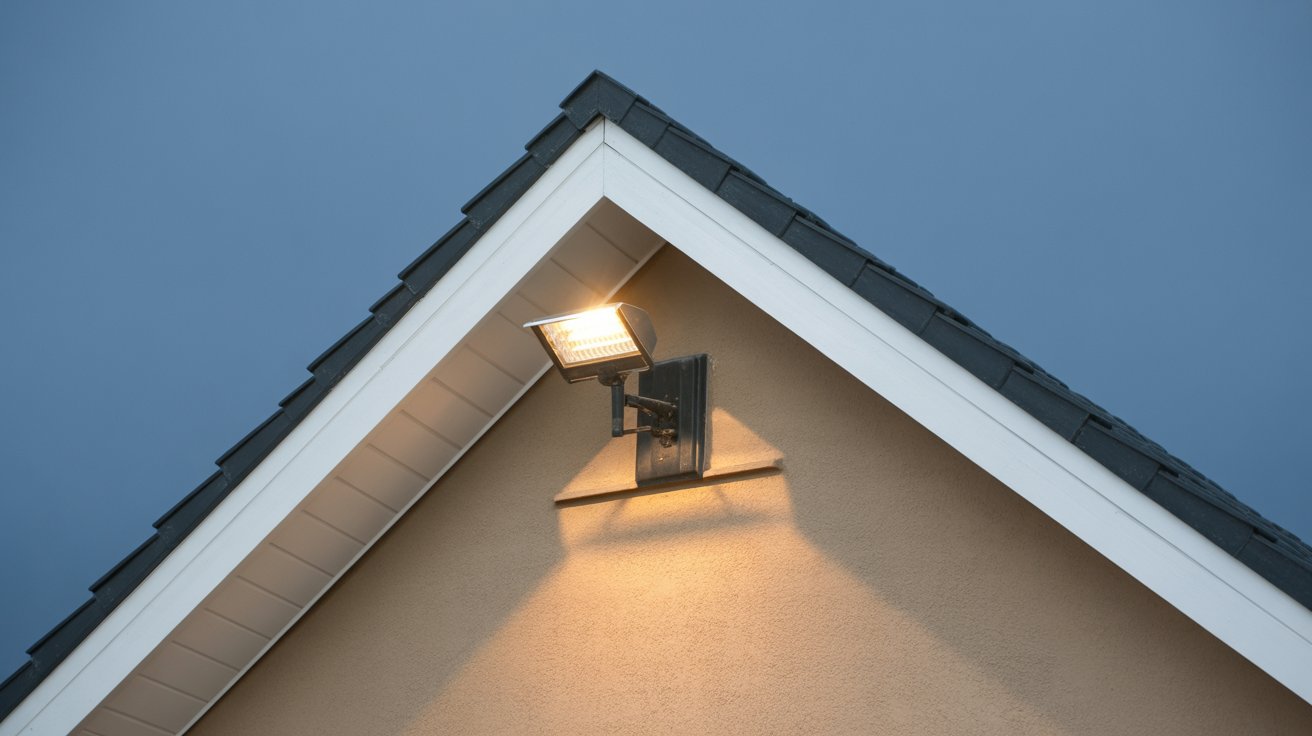
- Wall-Mounted Lights: Installed on walls, these fixtures can enhance security around doors and windows.
- Solar Lights: These lights are energy-efficient and use solar panels to charge throughout the day.
Choose the type of lighting that suits your needs best. For example, motion sensor lights might be perfect for areas you rarely use, while path lights are excellent for guiding guests to your front door.
Planning Your Lights
Effective planning is key to maximizing your outdoor lighting. Start by assessing your property. Identify dark areas that could benefit from illumination, especially near entry points.
Consider the layout of your lighting. You’ll want to balance brightness and coverage without creating harsh glare. A mix of different types of fixtures can achieve this balance effectively. Aim to illuminate pathways, driveways, and critical entry points while ensuring no dark spots remain.
Before purchasing your lights, take note of natural light sources, like streetlamps or porch lights, to avoid overly bright areas.
Installation Process
Installing outdoor security lighting can be straightforward. Here’s a step-by-step guide:
- Gather Materials: Ensure you have all your fixtures, wiring, connectors, and tools ready.
- Read Instructions: Before beginning, read the manufacturer’s instructions for each light fixture.
- Turn Off Power: Always turn off the power at the circuit breaker before you start any electrical work.
- Mark Locations: Mark where each light will be placed, ensuring it’s optimal for coverage and aesthetics.
- Run Wires: Depending on the type of lighting, you may need to run wires underground. Make sure these are buried at the appropriate depth according to local codes.
- Connect Fixtures: Follow the manufacturer’s wiring instructions to connect your light fixtures properly.
- Test the Lights: Once everything is connected, turn the power back on and test each light.
- Adjust Angles: Make adjustments as necessary for optimal coverage.
If you’re unsure or uncomfortable with the installation process, hiring a licensed electrician can ensure that the job is done safely and correctly.
Maintenance Tips
To keep your outdoor lighting in good shape, consider these maintenance tips:
- Regularly check bulbs to ensure they are functional.
- Clean fixtures to remove dirt and debris that can block light.
- Inspect wiring for wear or damage, especially after extreme weather.
- Adjust motion sensors as needed to ensure they work effectively.
- Consider seasonal adjustments, like timer changes during Daylight Saving Time.
Proper maintenance will not only extend the life of your lights but will also enhance the safety they provide.
Key Takeaways
- Outdoor security lighting improves safety and deters potential intruders.
- Choose from various types of lights to meet your needs.
- Planning is essential for effective lighting placement.
- Follow a step-by-step installation process or hire a professional.
- Regular maintenance keeps your lighting in optimal condition.
FAQ
What type of outdoor lighting is best for security?
Motion sensor lights and flood lights offer excellent security options, illuminating areas when needed without wasting energy.
How do I install outdoor security lights?
Begin by planning your layout, gathering materials, and ensuring the power is off. Follow a step-by-step guide or consult a professional for help.
Do I need an electrician to install outdoor lights?
It depends on your comfort level. If you are not experienced with electrical work, hiring a licensed electrician is advisable for safety.
How often should I maintain my outdoor lights?
Regular checks should be done every few months, particularly after storms or harsh weather, to ensure everything is functional.
Are solar lights effective for security?
Yes, solar lights are energy-efficient and can provide adequate lighting in areas without easy access to electrical outlets. However, their effectiveness depends on exposure to sunlight during the day.
Take the Next Step for Your Home’s Safety
Ready to enhance your home with outdoor security lighting? Proper lighting can make a significant difference in safety and comfort. Don’t hesitate to reach out for professional help. Contact Us today to schedule your electrical service and enjoy peace of mind for your home.