When summer comes, the heat can become unbearable. Installing a ceiling fan is a great way to keep your home cool and comfortable. A ceiling fan not only helps with air circulation but can also reduce your cooling costs. Here’s a comprehensive guide to ceiling fan installation, especially for those considering electrician services.
Table of Contents
- Benefits of Ceiling Fans
- Choosing the Right Ceiling Fan
- Installation Process
- Safety Tips for Installation
- Maintenance Tips
- Key Takeaways
- Frequently Asked Questions
- Get Help with Your Ceiling Fan Installation
Benefits of Ceiling Fans
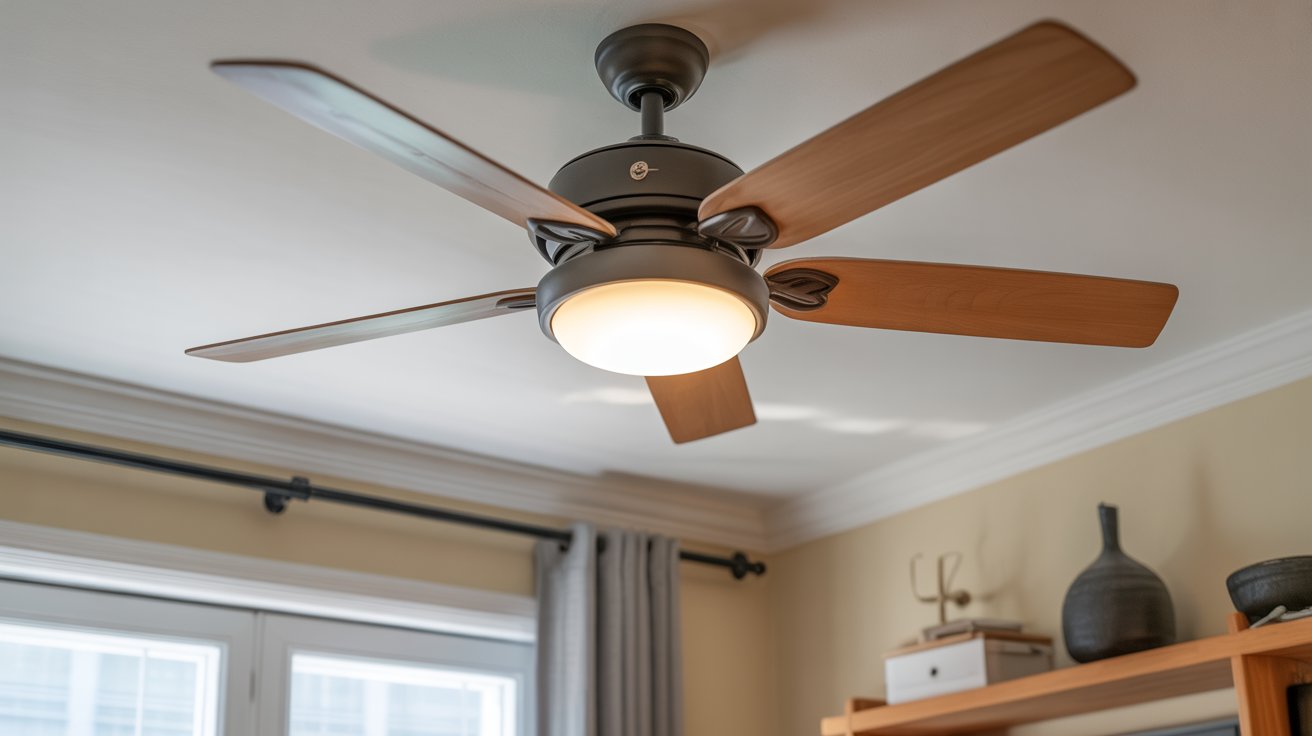
Ceiling fans are an excellent addition to any home. Here are some key benefits:
- Energy Efficiency: Ceiling fans use less energy than air conditioning units, which can help lower your electricity bill.
- Air Circulation: They help circulate air, making your home feel cooler in summer and warmer in winter.
- Versatile Design: Available in various styles, ceiling fans can complement any room decor.
- Cost-Effective: They are relatively inexpensive to buy and install compared to other cooling systems.
By understanding these benefits, you can make an informed decision about adding ceiling fans to your home.
Choosing the Right Ceiling Fan
Selecting the right ceiling fan can make a significant difference in comfort and style. Here are some tips to consider:
- Room Size: Measure the room where you want to install the fan. Larger rooms may need fans with bigger blades.
- Ceiling Height: For lower ceilings, a hugger fan is best suited, while taller ceilings may require a fan with a downrod.
- Style and Finish: Match the fan’s style and color to your room’s decor for a cohesive look. Options range from modern to traditional designs.
- Airflow Rating: Check the fan’s airflow rating, measured in cubic feet per minute (CFM). Higher ratings indicate better air circulation.
By carefully choosing a fan that meets these criteria, you can enhance both comfort and aesthetics in your home.
Installation Process
If you’re planning to install a ceiling fan, following the proper steps is crucial. Here’s a straightforward installation process:
- Turn Off Power: Always ensure that the power is off at the circuit breaker before starting.
- Remove Old Fixture: If you’re replacing an old light fixture, detach it carefully and remove any mounting brackets.
- Mounting Bracket: Securely install the ceiling fan mounting bracket to the ceiling box. This bracket is essential for supporting the fan’s weight.
- Wiring: Connect the fan’s wiring to the house wiring. Typically, you’ll need to connect a black wire to the black (hot), a white wire to the white (neutral), and a green or bare wire to the green or bare (ground).
- Attach Fan Blades: Most fans come with blades that attach easily. Follow the manufacturer’s instructions for secure attachment.
- Power On: Once everything is secure, restore power at the circuit breaker and test the fan.
Understanding the installation process helps make it smoother, whether you’re a DIY enthusiast or you hire an electrician.
Safety Tips for Installation
Safety should always be a priority when installing a ceiling fan. Here are some essential safety tips:
- Use the Right Tools: Ensure you have the necessary tools ready, including screwdrivers, pliers, and wire strippers.
- Check the Ceiling Box: Ensure the ceiling box can support the weight of the fan.
- Follow Instructions: Always refer to the manufacturer’s installation manual for specific guidelines.
- Turn Off Power: Double-check that power is completely off before beginning the installation.
- Seek Professional Help: If you feel uncertain at any step, don’t hesitate to contact a qualified electrician for assistance.
Keeping these safety tips in mind can help prevent accidents and ensure a successful installation.
Maintenance Tips
Once your ceiling fan is installed, regular maintenance will help it function efficiently. Below are some maintenance tips:
- Clean Regularly: Dust the fan blades monthly to keep them running smoothly. Use a soft cloth and mild cleaner.
- Check Balancing: If your fan wobbles, you may need to adjust the blade screws or install balancing weights.
- Inspect Wiring: Periodically inspect the wiring for signs of wear or damage and address any issues promptly.
- Seasonal Adjustment: In summer, run the fan counterclockwise for a cooling breeze. In winter, switch to clockwise to circulate warm air.
A well-maintained ceiling fan prolongs its life and retains efficiency.
Key Takeaways
- Ceiling fans improve energy efficiency and air circulation.
- Choosing the right size and style is essential for comfort and decor.
- Follow proper installation steps for safety and functionality.
- Regular maintenance is key to keeping your fan in good working condition.
Frequently Asked Questions
How do I determine the correct size ceiling fan to buy?
Measure the room size. Typically, a fan with a blade span of 42-48 inches is suitable for medium-sized rooms.
Can I install a ceiling fan myself?
If you are comfortable with basic home repairs, you can attempt it. Otherwise, hiring a professional is recommended.
Do ceiling fans save on energy costs?
Yes, they can reduce reliance on air conditioning, leading to lower energy bills.
What is the best height to install a ceiling fan?
Ceiling fans should be installed about 8 to 9 feet above the floor for optimal airflow.
How often should I clean my ceiling fan?
Cleaning it once a month can help maintain efficiency and prevent dust buildup.
Schedule Your Electrical Service Today
If you need help installing a ceiling fan or any other electrical services, don’t hesitate to reach out. Our expert electricians are here to assist you with professional service tailored to your needs. Contact us today to schedule a consultation or arrange your installation.