Being a residential electrician is more than just a job. It’s a commitment to safety and a pathway to ensuring that homes function smoothly. From simple repairs to complete overhauls, electricians tackle a variety of tasks every day, ensuring that families stay connected and comfortable. This article takes you behind the scenes to explore a typical day in the life of a residential electrician.
Table of Contents
- Morning Routine
- Site Visits
- Installations and Repairs
- Safety Protocols
- Afternoon Tasks
- Key Takeaways
- Frequently Asked Questions
- Schedule Your Electrical Service Today
Morning Routine
The day often starts early for a residential electrician. Rising at dawn allows them to prepare for the busy day ahead. Before heading out, electricians review their schedules and gather necessary tools. They check their inventory for parts like wiring, switches, and outlets to ensure they’re ready for any job. A strong cup of coffee usually fuels their morning, providing the energy needed for a day filled with tasks.
Site Visits
After their morning routine, electricians head to their first job site. Each appointment is often different, which keeps the work fresh and interesting. Arriving at a residential home, the first step is to greet the customer and understand their needs. Electricians listen carefully to homeowners to address specific concerns, whether it’s a flickering light or a desire for new outlets in a room.
During these visits, electricians assess the existing electrical systems. They look for safety issues, efficiency, and potential areas for improvement. This detailed inspection helps them create an effective plan of action for repairs or installations.
Installations and Repairs
Once the inspection is complete, it’s time to roll up the sleeves for actual work. Electricians might find themselves installing new light fixtures, upgrading electrical panels, or replacing faulty wiring. Each task requires different skills and knowledge of codes and regulations to ensure everything meets safety standards.
While tasks vary daily, common jobs include:
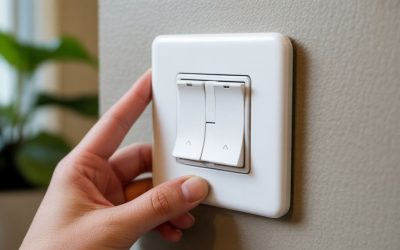
- Replacing or installing outlets and switches
- Upgrading light fixtures
- Wiring new rooms or additions
- Installing fans or other electrical appliances
Throughout each task, an electrician remains focused on quality, ensuring each connection is safe and secure. They must be diligent in their work to prevent any future issues for the homeowner.
Safety Protocols
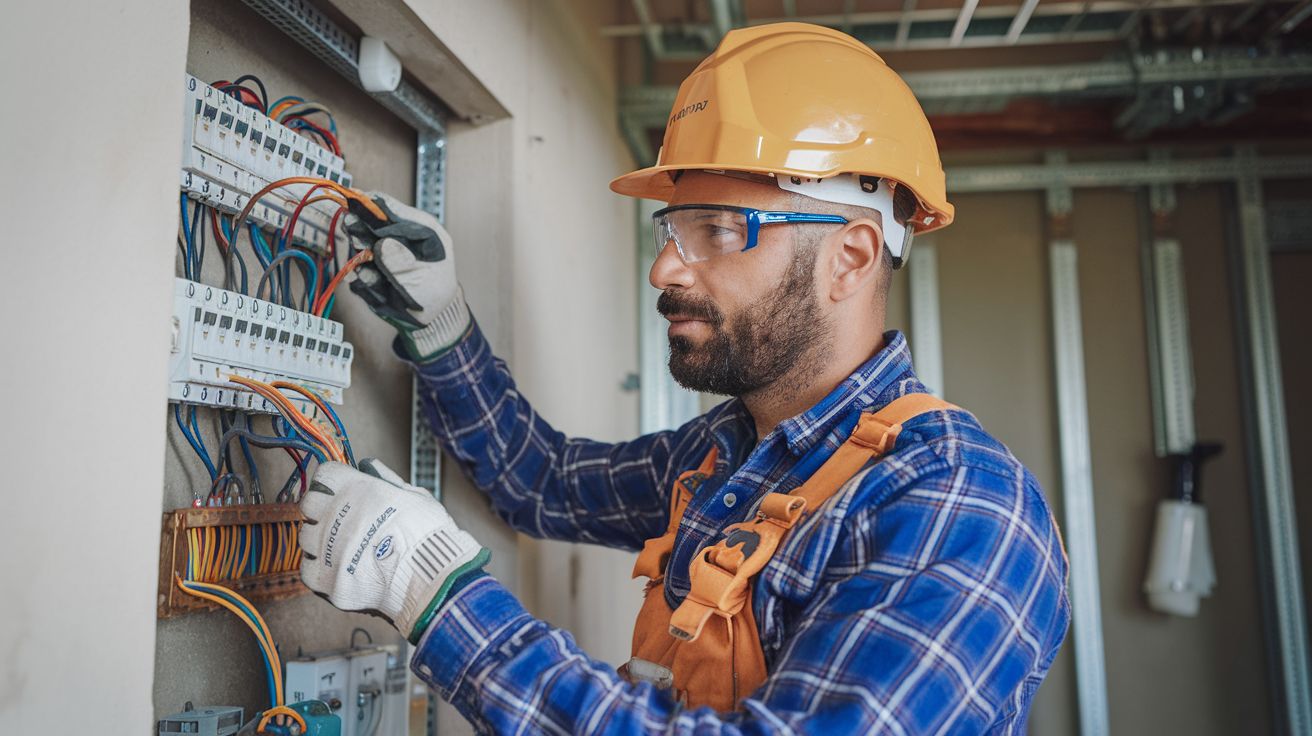
Every electrician prioritizes safety. The dangers of electrical work can’t be understated; thus, strict adherence to safety protocols is essential. Electricians wear protective gear, including gloves and goggles, to safeguard against accidents.
Before starting any job, electricians turn off power to the area where they will be working, using voltage testers to ensure there is no live current. They meticulously follow local electrical codes and regulations. Continuous training keeps them updated about safety practices and new technologies, which further supports their commitment to safe work.
Afternoon Tasks
The afternoon often involves follow-up visits or completing jobs started in the morning. Electricians may handle additional installations, conduct repairs, or update existing electrical systems. Each completed task offers a sense of accomplishment, knowing that their work provides safety and comfort to families.
In addition to job tasks, electricians also manage paperwork, including job estimates and invoices. Effective communication with customers is crucial, as it keeps homeowners informed about ongoing work and any necessary changes.
Key Takeaways
- A typical day includes morning preparation, site visits, installations, and repairs.
- Staying organized and reviewing schedules is crucial for efficiency.
- Safety protocols are always prioritized in every task completed.
- Continuous learning ensures electricians stay well-informed about industry standards.
- Electricians play a vital role in maintaining the safety and comfort of homes.
Frequently Asked Questions
What types of services do residential electricians provide?
Residential electricians provide a range of services, including the installation, repair, and upgrade of electrical systems. Common tasks include installing lighting, electrical panels, and outlets.
How can I tell if I need an electrician?
You should call an electrician if you experience frequent circuit breaker trips, flickering lights, or burning smells near outlets. These signs could indicate electrical problems that need immediate attention.
Are electricians licensed?
Yes, electricians are required to obtain a license to practice their trade. Licensing ensures that they meet safety standards and possess the necessary knowledge to perform electrical work correctly.
How often should I have my electrical system inspected?
It’s wise to have your electrical system inspected every three to five years. Regular checks can catch potential issues early and ensure everything is up to code.
Can I do my own electrical work?
While some minor tasks can be done by homeowners, it’s safest to hire a licensed electrician for any significant work. This ensures safety and adherence to local codes.
Schedule Your Electrical Service Today
If you need electrical services for your home, don’t hesitate! Electricians provide the expertise and safety necessary to keep your home running smoothly. Every job, big or small, deserves professional attention. For more information or to schedule an appointment, please contact us today.