Electrical issues can spring up unexpectedly, leaving homeowners searching for solutions. Knowing how to tackle these problems not only saves time but can prevent costly repairs. This guide aims to equip you with essential tips for DIY home electrical repairs, ensuring your safety and confidence as you handle electrical tasks.
Table of Contents
- Safety First: Important Precautions
- Common Electrical Problems You Can Fix
- Tools and Supplies You’ll Need
- Simple Repairs You Can Handle
- When to Call a Professional
- Key Takeaways
- FAQ
Safety First: Important Precautions
Your safety comes first when working with electricity. Before starting any repairs, ensure you take the necessary safety precautions. Here are some key measures to keep in mind:
- Turn off the power at the circuit breaker.
- Use insulated tools designed for electrical work.
- Wear rubber-soled shoes to prevent shock.
- Always work with one hand when possible to reduce the risk of shock.
Understanding electrical systems is vital. Be sure to read manuals and familiarize yourself with the particular systems in your home.
Common Electrical Problems You Can Fix
Knowing some typical electrical problems can make a big difference. Here are a few issues that many homeowners can address:
- Switches that don’t work
- Flickering lights
- Tripped circuit breakers
- Buzzing outlets
These problems often have straightforward solutions. For instance, a tripped circuit breaker may need to be reset. However, always investigate potential causes to prevent further issues.
Tools and Supplies You’ll Need
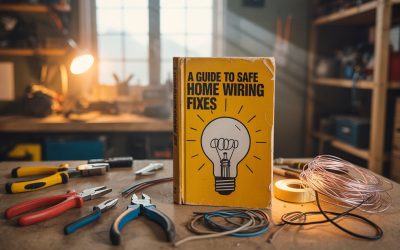
Having the right tools on hand can make repairs much easier. Here’s a list of essential tools and supplies:
- Voltage tester
- Wire cutters
- Insulated screwdrivers
- Electrical tape
- Replacement fuses and bulbs
Investing in quality tools not only improves your repair work but also enhances your safety while working on electrical projects.
Simple Repairs You Can Handle
There are several simple home repairs you can try. Here are a few examples:
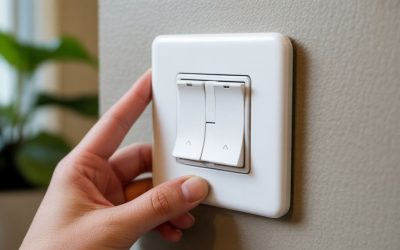
Replacing a Light Switch
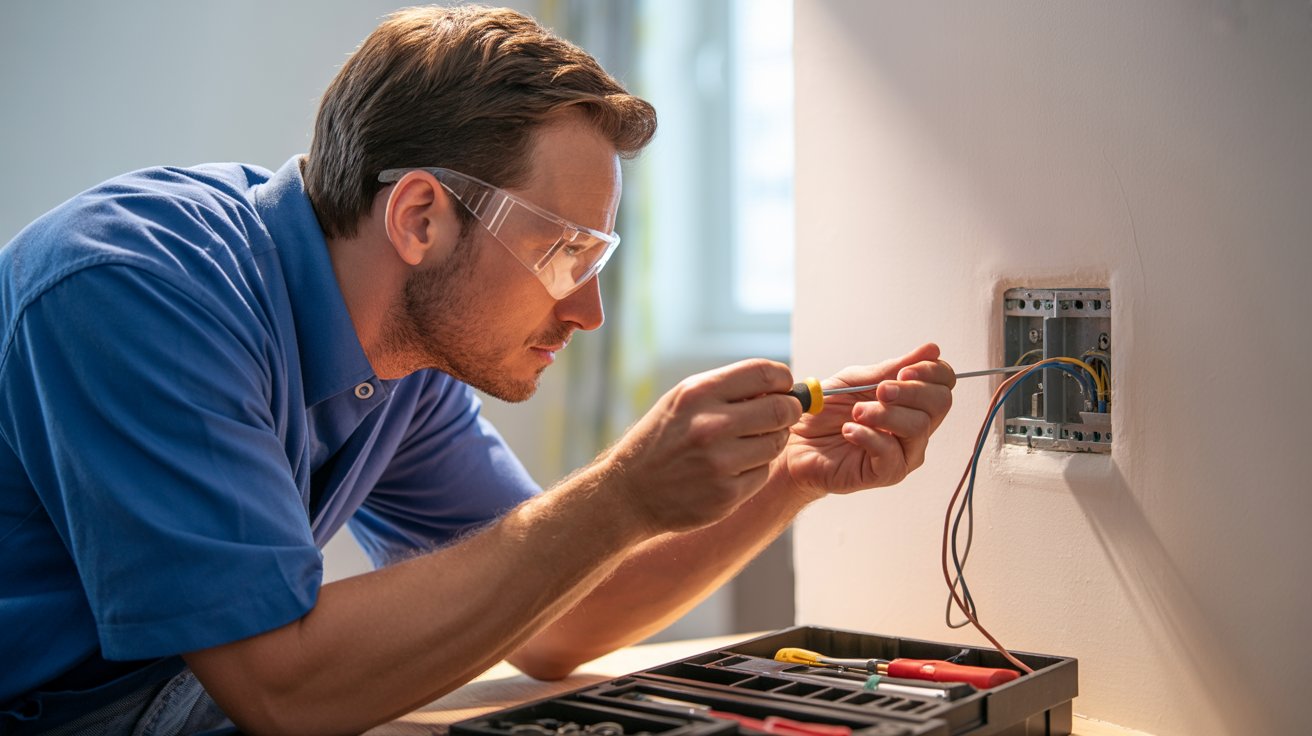
Replacing a faulty light switch is a common DIY task. After turning off the power, remove the old switch and carefully connect the new one, ensuring the wires are matched as they were. Secure and cover everything adequately.
Fixing Flickering Lights
Flickering lights can often be resolved by tightening the bulb or checking the connections in the socket. If issues persist, check the wiring or consider replacing the fixture.
When to Call a Professional
While many repairs are manageable, some situations require professional assistance. Consider calling an electrician in the following cases:
- If you’re unsure about the safety of an issue.
- When working with high-voltage systems.
- If you notice burning smells or sparks.
- When multiple problems occur at once.
Professional electricians have the training and experience to safely handle complex problems, ensuring your home remains safe and functional.
Key Takeaways
- Always prioritize safety before beginning any electrical work.
- Familiarize yourself with common issues you can repair yourself.
- Invest in high-quality tools for improved results and enhanced safety.
- Know your limits—don’t hesitate to call a professional when you need one.
FAQ
What should I do if I experience a power outage?
Check your circuit breaker and reset any tripped switches. If the issue persists, call your utility company.
Is it safe to work on electrical issues myself?
As long as you follow safety precautions and know what you’re doing, simple repairs can be safe. For complex issues, it’s best to hire a professional.
How can I tell if an electrical problem is serious?
Signs of serious problems include burning smells, flickering lights, or frequently tripped breakers. If you observe these, it’s wise to seek professional help.
What tools are needed for basic electrical repairs?
Essential tools include a voltage tester, wire cutters, insulated screwdrivers, electrical tape, and replacement fuses and bulbs.
How do I know if my home’s wiring needs to be replaced?
Indicators include frequently tripped breakers, outdated wiring, or corrosion around outlets. If you identify these signs, consult with an electrician.
Take the Next Step for Your Home’s Safety
Staying informed about DIY electrical repairs is important for any homeowner. Whether it’s fixing a switch or knowing when to call for help, your safety is crucial. If you’re ever in doubt or need assistance, contact us for expert help. Your home deserves the best care.