Are you looking to brighten your kitchen and enhance its functionality? The right lighting can transform any space, especially your kitchen. With the right strategies, you can not only create a warm, inviting atmosphere but also improve visibility for cooking and entertaining.
Table of Contents
- Importance of Kitchen Lighting
- Types of Kitchen Lighting
- Strategies for Effective Kitchen Lighting
- Safety Tips for Kitchen Lighting
- Key Takeaways
- FAQ
- Schedule Your Electrical Service Today
Importance of Kitchen Lighting
Lighting is vital in any kitchen since it affects how the space feels and functions. When combined with aesthetic design, proper lighting can make meal-preparation easier and more enjoyable.
A well-lit kitchen allows for better visibility, helping you avoid accidents while cooking. Dim or poor lighting can lead to mistakes and frustration. The kitchen is often seen as the heart of the home, so having the right ambiance makes it a more inviting space for family and friends.
Types of Kitchen Lighting
Understanding the different types of lighting options available can help you design the ideal kitchen setup.
- Ambient Lighting: This is the general illumination of the entire space. Ceiling fixtures, recessed lights, or chandeliers fall into this category.
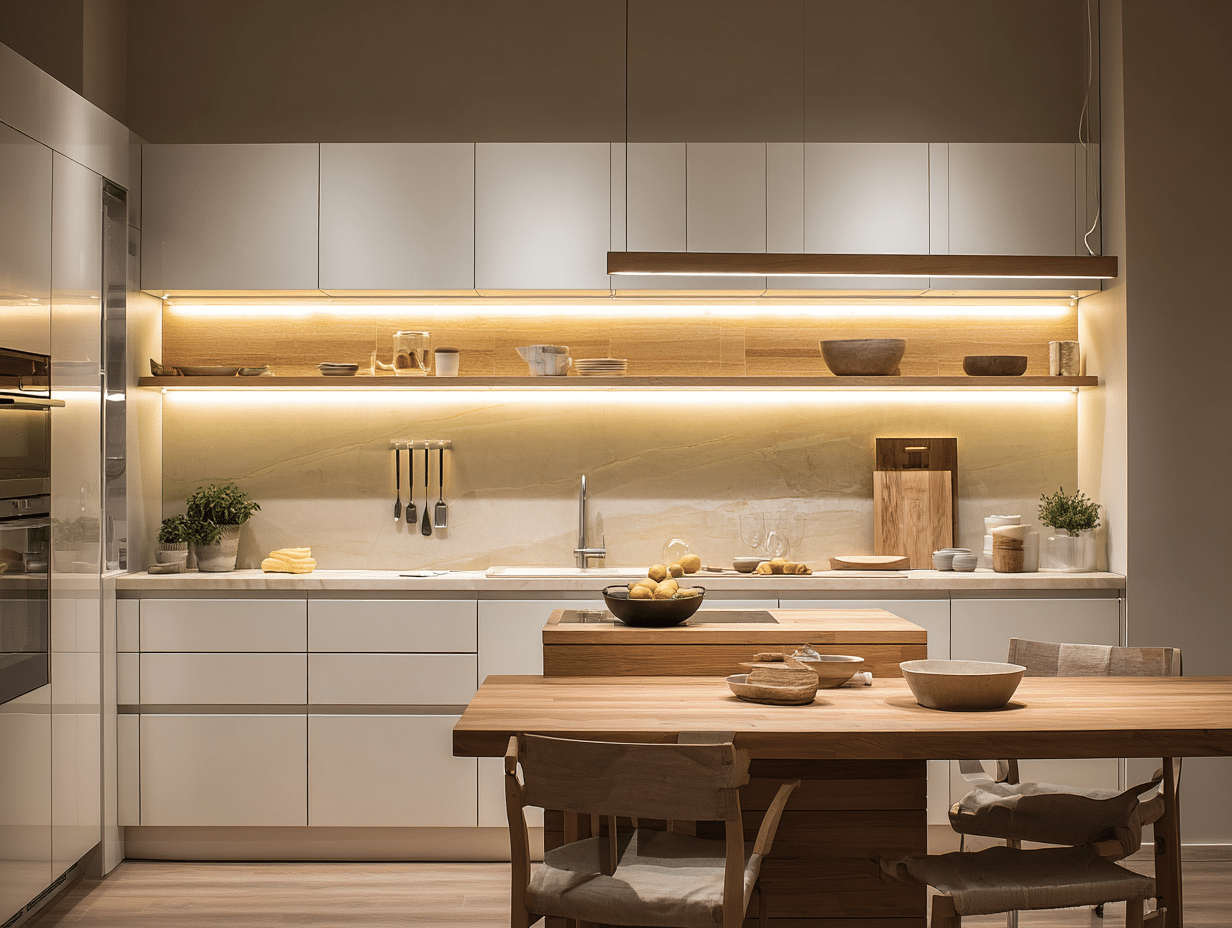
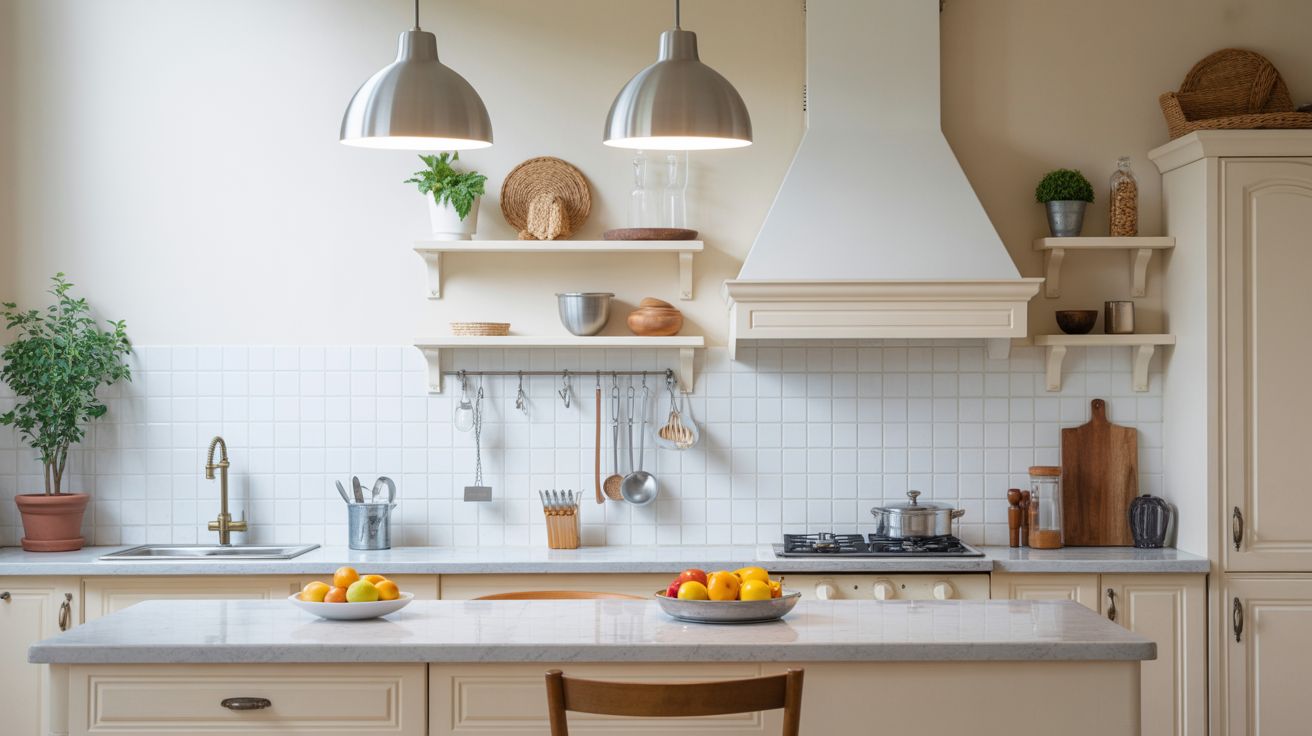
- Task Lighting: These lights serve a specific purpose, such as under-cabinet lights for countertops or pendant lights over an island. They help you see better when performing tasks, such as chopping vegetables.
- Accent Lighting: This type of lighting highlights specific areas, like shelves or beautiful backsplashes. It’s great for adding a decorative touch.
Each of these categories plays an essential role in creating a balanced and functional kitchen lighting design.
Strategies for Effective Kitchen Lighting
Implementing effective strategies can make a big difference in your kitchen. Consider the following:
- Layer Your Lighting: Combine ambient, task, and accent lighting to create a well-rounded environment.
- Use Dimmable Fixtures: Dimming options allow you to adjust the brightness based on the time of day or activity.
- Position Task Lights Correctly: Ensure that task lights are installed where you need them most, like above work surfaces.
- Choose Light Colors Wisely: Warmer tones create a cozy atmosphere, while cooler tones help with concentration and detailed work.
- Consider Natural Light: If possible, maximize natural light by using sheer window treatments or strategically placed mirrors.
Implementing these strategies can profoundly impact the look and feel of your kitchen space.
Safety Tips for Kitchen Lighting
Safety is paramount when dealing with kitchen lighting. Here are some tips to keep in mind:
- Use Water-Resistant Fixtures: This is especially important near sinks and stovetops.
- Check Wiring: Ensure that all electrical connections are secure and up to code.
- Install Ground Fault Circuit Interrupters (GFCIs): These devices help prevent electrical shocks, particularly in wet areas.
- Regularly Inspect Your Lights: Keep an eye out for flickering, which may suggest a need for professional inspection.
Following these safety protocols will help you maintain a secure and functional kitchen space.
Key Takeaways
– Proper lighting is crucial for functionality and ambiance in the kitchen.
– Consider using ambient, task, and accent lighting for a balanced approach.
– Invest in dimmable lights and position them thoughtfully for optimal use.
– Prioritize safety by using the right fixtures and checking electrical connections.
FAQ
**What is the best type of lighting for cooking?**
Task lighting is essential for cooking. Under-cabinet lights are particularly useful for illuminating countertops.
How can I make my kitchen feel larger with lighting?Use bright, cool-toned lights and consider mirrors to reflect light, making the space feel more open.
Are LED lights better for kitchens?Yes, LED lights are energy-efficient, durable, and available in various color temperatures, making them ideal for kitchens.
How often should I update my kitchen lighting?It’s good to reassess your kitchen lighting every 5-10 years or when you remodel your kitchen.
Can I install kitchen lighting fixtures myself?While some fixtures are easy to install, it’s best to consult a professional electrician for complex installations to ensure safety and compliance.
Schedule Your Electrical Service Today
Transforming your kitchen with the right lighting can greatly improve its functionality and charm. If you’re ready to take the next step, don’t hesitate to reach out. Our qualified electricians are here to help you achieve your perfect kitchen lighting. For more information, please Contact Us.