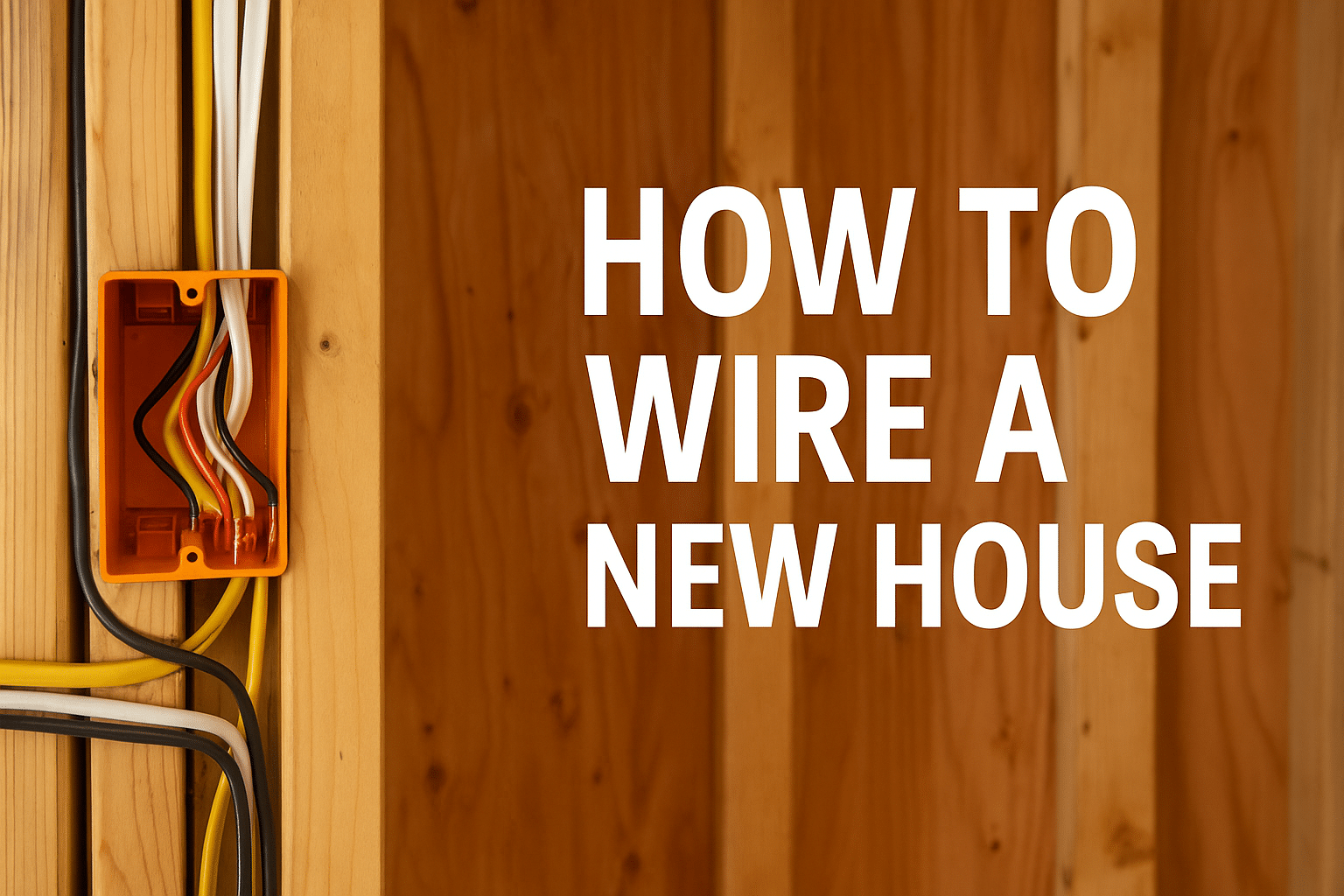
Wiring a house takes planning, tools, and safety. Whether you’re doing it yourself or working with a contractor, this guide gives you the steps to do it right — without missing anything important.
Table of Contents
- Plan Your Electrical Layout
- Know the Electrical Code
- Pick the Right Tools and Supplies
- Run the Wires
- Install Outlets and Switches
- Label, Test, and Inspect Everything
Plan Your Electrical Layout
Start with a simple sketch of your home.
- Mark where you want lights, switches, and outlets
- Group items into circuits by room or purpose
- Choose spots for the main breaker box and subpanels if needed
Tip: Use different colors to show lighting, outlets, and appliances.
Know the Electrical Code
Before touching any wires, read your local building code.
- Most areas follow the National Electrical Code (NEC)
- The code tells you:
- How many outlets per room
- What wire sizes to use
- Where to put GFCI outlets
- How to ground and bond circuits
Warning: Skipping this step may result in failing the inspection.
Pick the Right Tools and Supplies
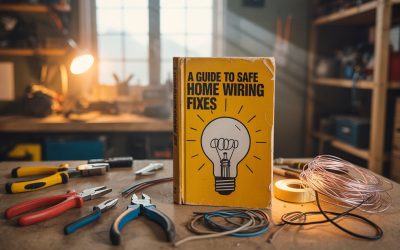
Here’s what you’ll need:
- 14-gauge or 12-gauge electrical wire
- Wire strippers and cutters
- Electrical boxes and mounting brackets
- Fish tape for pulling wire through walls
- Screwdrivers, drill, and hole saw
- Voltage tester
- Cable staples or clamps
Don’t forget: Labeling everything clearly will save you time later.
Run the Wires
Now you can start wiring.
- Turn off all power at the main breaker
- Drill holes in studs to route wires
- Pull the wire from the panel to each box
- Leave extra wire in each box for safe connections
Tip: Avoid running wire near plumbing, ductwork, or sharp edges.
Install Outlets and Switches
With wires in place, connect your devices.
- Strip the wire ends
- Connect black (hot), white (neutral), and ground (bare or green)
- Use wire nuts or screw terminals for secure connections
- Mount boxes flush with the wall surfaces
Reminder: GFCI outlets are required in kitchens, bathrooms, garages, and outdoor areas.
Label, Test, and Inspect Everything
Almost done. Now make sure everything works safely.
- Label each circuit clearly on the breaker panel
- Use a voltage tester to check for power
- Test every outlet, switch, and light
- Schedule an official inspection before powering up fully
Tip: Keep a printed copy of your wiring plan and circuit labels for future use.
Key Takeaways
- Draw your wiring plan before you start
- Follow the NEC code or your local version of it
- Use the correct wire size and tools for each task
- Label your work as you go to stay organized
- Always test and get your work inspected before using it
FAQs
Can I wire a house by myself?
Yes, if your local rules allow DIY electrical work. You’ll need a permit and inspection.
What wire size do I need?
Use 14-gauge for 15-amp circuits and 12-gauge for 20-amp circuits. Always match wire size to breaker type.
What happens if I fail inspection?
You’ll need to fix the issues and schedule a reinspection. This is common, so don’t stress, just follow the inspector’s advice.
Start Your Wiring Project Right With a Solid Plan
Wiring a new house takes time and focus. Start with a plan, follow the rules, and double-check your work. If you’re unsure, call a licensed electrician or get help from your city’s permit office.