Indoor lighting plays a critical role in shaping the atmosphere of your home. A well-planned lighting installation not only enhances the aesthetic appeal but also ensures safety and energy efficiency.
Table of Contents
- Plan Your Lighting
- Choose the Right Fixtures
- Consider Energy Efficiency
- Prepare for Installation
- Install the Lighting
- Post-Installation Check
- Key Takeaways
- FAQ
- Schedule Your Electrical Service Today
Plan Your Lighting
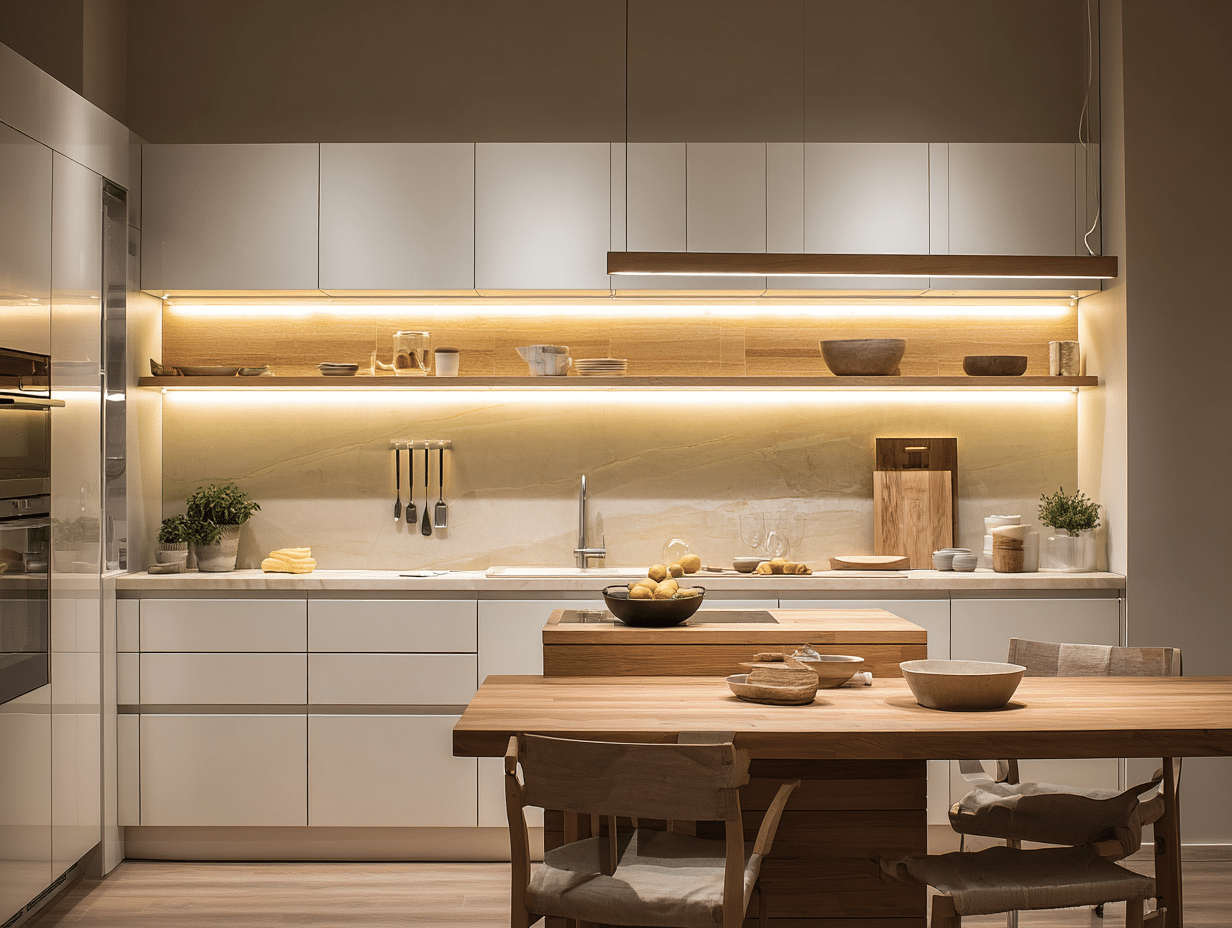
Planning is the first step in your indoor lighting installation. Consider the rooms you want to light and what activities will take place there. For instance, kitchens and workspaces require bright, focused lighting, while bedrooms and living areas benefit from softer, ambient light. Create a lighting plan that incorporates various types of fixtures, including overhead lights, task lighting, and accent lights.
You may also want to consider the layout of your room. Measure the spaces where you would like to place lights. This will help you visualize how each light fixture will enhance the room’s look and function.
Choose the Right Fixtures
Selecting fixtures can be both fun and overwhelming. When choosing light fixtures, consider the style and vibe you want to create. Here are some tips to bear in mind:
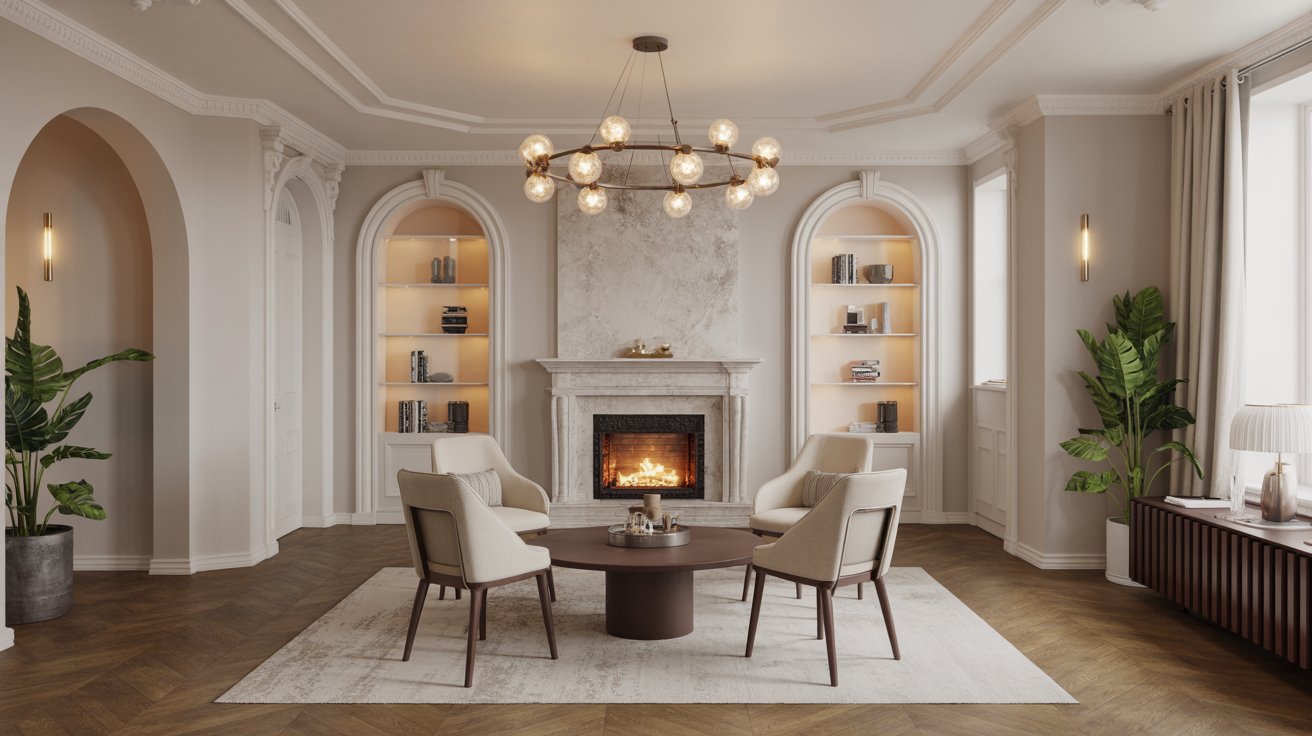
- Match the fixtures to your home’s décor. Go for sleek, modern designs for contemporary homes or elegant chandeliers for traditional spaces.
- Think about the size of your fixtures. A large dining room may require an oversized chandelier to maintain proportion.
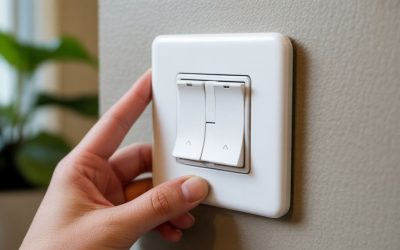
- Consider adjustable fixtures for flexibility. Dimmer switches can also allow you to set the mood based on the occasion.
Taking these factors into account will help you to choose fixtures that are not only beautiful but also functional.
Consider Energy Efficiency
Energy efficiency is essential for both your wallet and the environment. LED lighting is a popular choice because it uses less energy and has a longer lifespan than traditional bulbs. While they might cost more upfront, the savings over time are significant.
When planning your installation, look for ENERGY STAR® rated products. These products meet strict energy efficiency guidelines, ensuring that you save money while reducing your carbon footprint.
Prepare for Installation
Preparing for the installation process is crucial. Here are some steps to take:
- Gather all the necessary tools and materials for the installation. Standard tools include a screwdriver, wire strippers, and a voltage tester.
- Ensure that the electricity is turned off at the breaker box to prevent any accidents.
- Prepare the working space by removing any furniture or items that may obstruct the area where you will be installing lights.
Taking these precautions will help you complete your project safely and efficiently.
Install the Lighting
Now that everything is planned and prepared, it’s time for the installation to begin. If you’re experienced and comfortable with electrical work, here’s a basic guide:
- Follow the manufacturer’s instructions for each fixture.
- Connect the wires carefully, ensuring that connections are secure and insulated.
- Install the fixture to the ceiling or wall, ensuring it is properly anchored.
- Turn the power back on and test the lights to ensure they work correctly.
If you’re unsure about any aspect of the installation process, consider hiring a licensed electrician to ensure that the job is done safely and correctly.
Post-Installation Check
After the installation is complete, it’s essential to check that everything is in order. Inspect each fixture to make sure it is functioning correctly. If any lights flicker or do not turn on, double-check your connections.
Also, test the dimmer switches if you installed them to ensure they are working smoothly. This is the perfect opportunity to make adjustments to the layout if something doesn’t look quite right.
Key Takeaways
– Planning is critical for an effective lighting installation.
– Choose fixtures that match your home decor and are appropriately sized.
– Energy-efficient products save money and reduce environmental impact.
– Preparation and safety are essential for a smooth installation.
– Always check your work after installation to ensure everything functions properly.
FAQ
What types of lighting should I include in my home?
A blend of ambient, task, and accent lighting is ideal. This combination ensures that each room serves its purpose effectively and creates the right mood.
Do I need permits for installing indoor lighting?
It depends on your local regulations. Some areas may require permits for electrical work. It’s best to check with your local authorities.
Can I install lighting fixtures myself?
If you’re comfortable with basic electrical work, you can install fixtures yourself. However, it’s safer to hire a licensed electrician if you’re unsure.
How can I enhance the energy efficiency of my lighting?
Switching to LED lights, utilizing dimmer switches, and using natural light when possible are effective ways to enhance energy efficiency.
What should I do if my new lights flicker?
Check the connections and ensure that bulbs are the right type for the fixtures. If the problem persists, consult a licensed electrician for assistance.
Schedule Your Electrical Service Today
Your home deserves the best lighting solution that fits your style and needs. If you’re ready to take the next step in achieving the perfect indoor lighting, we are here to help. For professional assistance, please contact us and let our experienced electricians guide you through your lighting project.