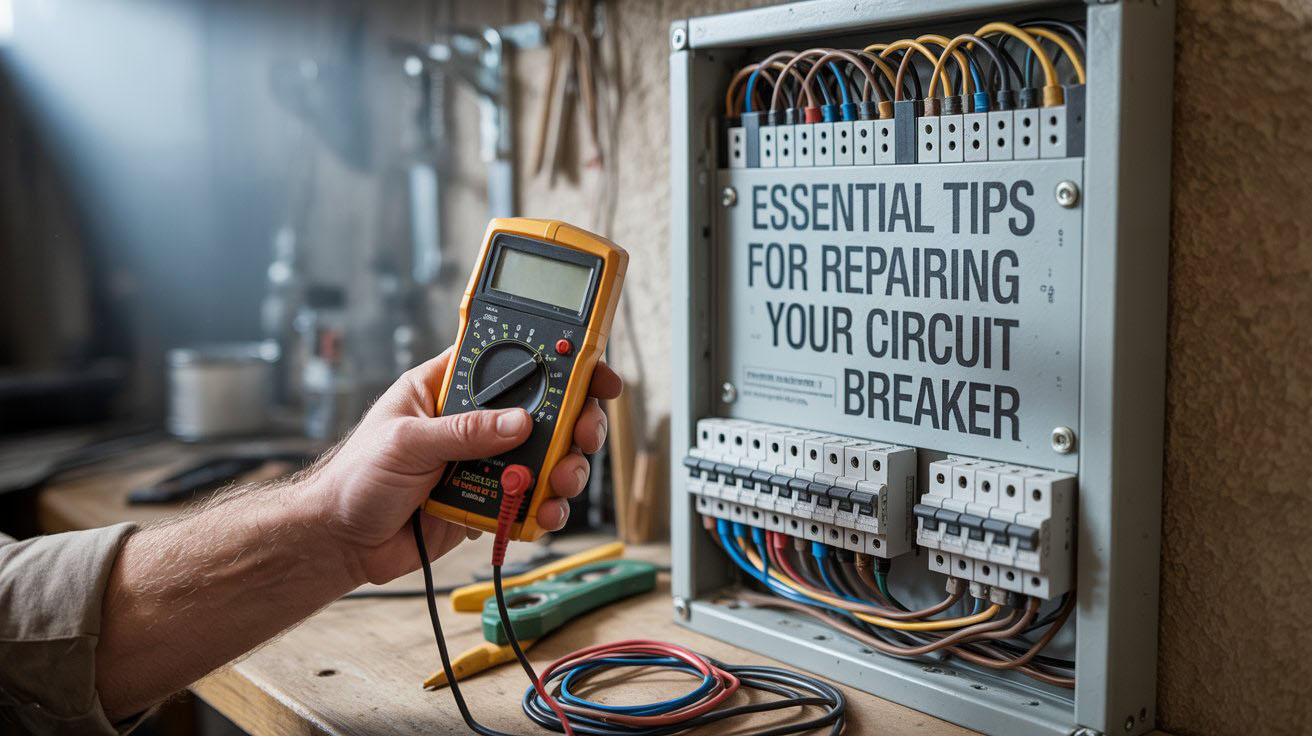
Are you facing unexpected power outages or flickering lights in your home? Repairing your circuit breaker can be simpler than you think. With the right knowledge and a bit of guidance, you can tackle this issue with confidence.
Table of Contents
- Understanding Circuit Breakers
- Common Signs of a Faulty Breaker
- Safety First
- Step-by-Step Guide to Repair
- When to Call a Professional
- Key Takeaways
- FAQ
Understanding Circuit Breakers
Circuit breakers are essential components of your electrical system. They protect your home from electrical faults and overloads by interrupting the flow of electricity. When the current exceeds safe levels, the circuit breaker automatically “trips,” preventing potential hazards. Understanding how these devices work will help you identify issues and perform repairs more effectively.
Common Signs of a Faulty Breaker
There are several signs indicating that your circuit breaker may be malfunctioning. Being aware of these can save you time and trouble:
- Frequent tripping of the breaker
- Burning smell near outlets or the breaker box
- Flickering lights
- Warm or hot breaker panel
- A mixture of electrical challenges, like appliances not getting enough power
If you notice any of these signs, it’s essential to address them quickly. Ignoring these warnings can lead to further damage or even electrical fires.
Safety First
Safety should always be the top priority when dealing with electrical issues. Here are some crucial precautions to take:
- Turn off the main power before doing any work.
- Use insulated tools designed for electrical work.
- Wear rubber-soled shoes while working.
- Keep one hand behind your back to limit the electrical path through your body.
- Have a friend nearby in case of an emergency.
Taking these steps will help ensure a safer working environment as you tackle your circuit breaker issues.
Step-by-Step Guide to Repair
When you’re ready to tackle the issue, following a clear, step-by-step guide is essential. Here’s how to do it:
Step 1: Identify the Problem
Before starting any repairs, determine the reason why the breaker is tripping. Look for overloaded circuits, damaged appliances, or short circuits. Take notes on what you find.
Step 2: Reset the Breaker
Sometimes, simply resetting the breaker helps. To do this, find your breaker panel, locate the tripped breaker (usually in the “off” position), and flip it back to “on.” If it trips again, additional investigation may be necessary.
Step 3: Check for Overloaded Circuits
Overloading occurs when too many devices are connected to one circuit. Unplug any unnecessary appliances and try resetting the breaker again. If it holds, you might have resolved the issue.
Step 4: Inspect Wiring and Connections
If the breaker continues to trip, check the wiring and connections for any visible damage. Look for signs of burning or fraying and ensure all connections are tight and secure.
Step 5: Replace the Breaker (if needed)
If none of the above steps are successful, the breaker itself may need to be replaced. Turn off the main power and carefully remove the faulty breaker from the panel. Install the new breaker according to the manufacturer’s instructions.
When to Call a Professional
Sometimes, fixing the circuit breaker is best left to a professional. Here are a few scenarios where you should reach out for help:
- You notice burning smells or charred wires.
- You are uncomfortable working with electrical systems.
- The problem persists even after troubleshooting.
- You wish to upgrade your electrical panel or breakers.
Seeking professional help ensures the repair is done safely and effectively, reducing your risk of future issues.
Key Takeaways
- Circuit breakers protect your home from electrical hazards.
- Common signs of a faulty breaker include frequent tripping and burning smells.
- Always prioritize safety when working with electrical systems.
- Follow a step-by-step approach to troubleshoot and repair issues.
- Don’t hesitate to call a professional when needed.
FAQ
What causes a circuit breaker to trip?
A circuit breaker trips to prevent overloads or short circuits. Common causes include overloaded circuits, damaged appliances, and ground faults.
Can I replace a circuit breaker myself?
Yes, you can replace a circuit breaker if you feel comfortable doing so. Ensure that you turn off the main power and follow safety guidelines.
How do I know if my circuit breaker is bad?
Signs include frequent tripping, visual damage, and a warm or hot breaker panel. Any of these indicates it’s time for replacement.
Is it safe to reset a circuit breaker multiple times?
If your breaker keeps tripping after you reset it, it’s not safe to keep resetting it. This may indicate a more serious issue that requires attention.
Take the Next Step for Your Home’s Safety
Don’t let electrical issues linger in your home. If your circuit breaker is causing you problems, consider seeking professional help. Our experienced electricians are ready to ensure your electrical system is safe and functional. Contact us today and take the first step toward a safer home.