Understanding DIY wiring repairs is essential for every homeowner. Basic knowledge can empower you to handle minor electrical issues and know when to call a professional electrician. This guide will walk you through important aspects of wiring repairs, helping ensure your home remains safe and functional.
Table of Contents
- Understanding Basic Wiring
- Tools You Will Need
- Common Wiring Issues
- Safety First
- Key Takeaways
- FAQ
- Take the Next Step for Your Home’s Safety
Understanding Basic Wiring
Before diving into repairs, it’s crucial to understand how basic wiring systems function. Most homes use two-wire systems: a hot wire (usually black or red) and a neutral wire (typically white). The hot wire carries the current to the outlet, while the neutral wire sends it back. A ground wire (green or bare) is also present for safety purposes.
Learning the purpose of each wire helps avoid mistakes during repairs. Identifying which wire goes where can prevent dangerous situations and ensure your electrical system works efficiently.
Tools You Will Need
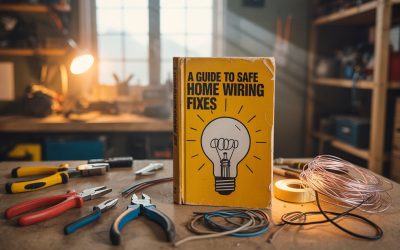
Having the right tools makes DIY repairs easier and safer. Below is a list of essential tools:
- Wire cutters
- Wire strippers
- Insulated screwdrivers
- Voltage tester
- Electrical tape
- Wire nuts
- Safety goggles
Investing in quality tools will save you time and frustration. Always check that your tools are in good working condition before starting any project. Safety should always come first when working with electricity.
Common Wiring Issues
Understanding common wiring problems can help you troubleshoot effectively. Here are some frequent issues homeowners encounter:
- Flickering lights
- Dead outlets
- Tripped circuit breakers
- Buzzing or humming sounds from switches
- Overheating outlets or devices
If you notice flickering lights or a buzzing switch, these signals often mean something is wrong. Identifying these issues quickly can prevent them from worsening.
Safety First
Safety should always be your top priority when working on electrical repairs. Always turn off the power before starting any project. This can be done at the circuit breaker or by removing the fuse for the portion you are working on. Use a voltage tester to confirm that the power is off before touching any wires.
Wear safety goggles and gloves to protect yourself from injury. If at any point you feel unsure or overwhelmed, don’t hesitate to contact a licensed electrician. It’s better to be safe than sorry.
Key Takeaways
- Understanding basic wiring systems is essential for safe DIY repairs.
- Using the right tools is critical for successful and safe electrical work.
- Flickering lights and buzzing sounds can indicate wiring issues.
- Always prioritize safety by turning off the power and using protective gear.
- When in doubt, contact a professional electrician to avoid risks.
FAQ
What should I do if there’s smoke from an outlet?
Immediately unplug any devices from the outlet, turn off the power at the circuit breaker, and call a licensed electrician. Don’t attempt to troubleshoot this on your own.
Can I replace an outlet or switch myself?
If you feel confident and have the right tools, you can replace an outlet or switch. Just ensure the power is off and follow all safety protocols.
How can I tell if I need a new circuit breaker?
If your circuit breaker frequently trips, or you notice burning smells or scorching around outlets, it may need replacement. Contact an electrician for a thorough inspection.
Is it legal to do my own electrical work?
In many jurisdictions, minor electrical repairs are allowed for homeowners. However, larger projects often require permits and professional electricians. Always check your local regulations.
How often should I have my electrical system inspected?
It’s advisable to have your electrical system inspected every 3 to 5 years or anytime you notice issues like flickering lights or tripped breakers.
Take the Next Step for Your Home’s Safety
Understanding basic wiring repairs can go a long way in maintaining your home. However, when in doubt, it’s best to seek professional help. For any electrical issues or upgrades, don’t hesitate to Contact Us. Your home’s safety is important, and we are here to help!